Pressure as structure
A table can compress an entire third act into glances, pauses and incomplete information. The rules are legible, yet the human choices remain unstable, giving filmmakers a clean way to escalate tension.
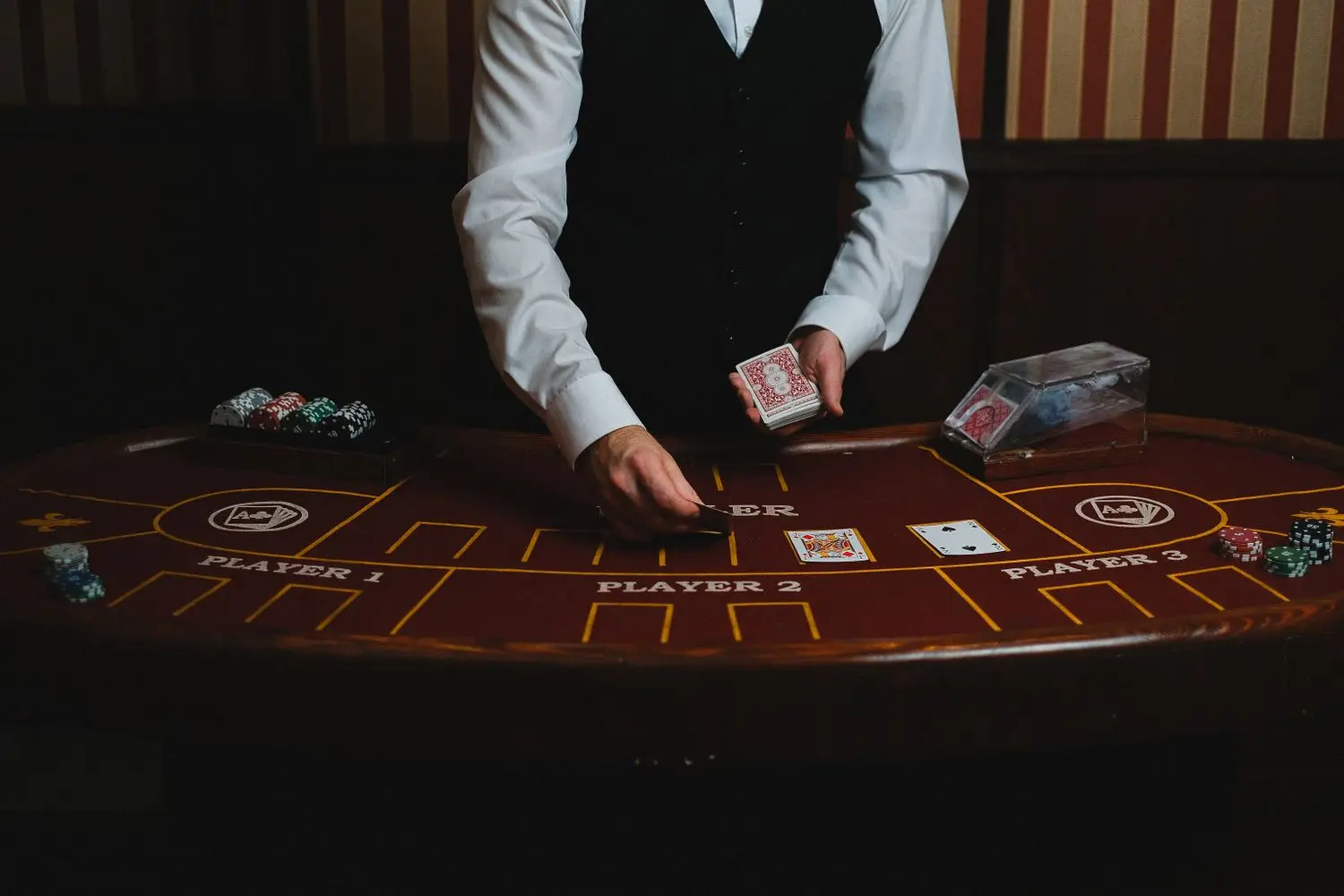
Casino cinema turns rooms built around rules, ritual and uncertainty into pressure chambers for character. Cinemavessacrown studies how directors use those spaces to stage ambition, deception, precision, fear and consequence.
The strongest high-stakes films are rarely about a winning hand. They are about systems, information and the moment a character mistakes control for certainty.
A table can compress an entire third act into glances, pauses and incomplete information. The rules are legible, yet the human choices remain unstable, giving filmmakers a clean way to escalate tension.
How a character enters a room, reads an opponent or reacts to a setback tells us what exposition cannot. High-stakes cinema makes decision-making visible and turns confidence, restraint and recklessness into performance.
Mirrors, surveillance, patterned carpets, concentrated pools of light and repetitive sound can make the setting feel watchful. Production design often suggests that the environment has rules long before the protagonist understands them.
Rigorous reviews evaluate narrative architecture, performance, image-making, procedural clarity and the film’s larger argument about chance and control.
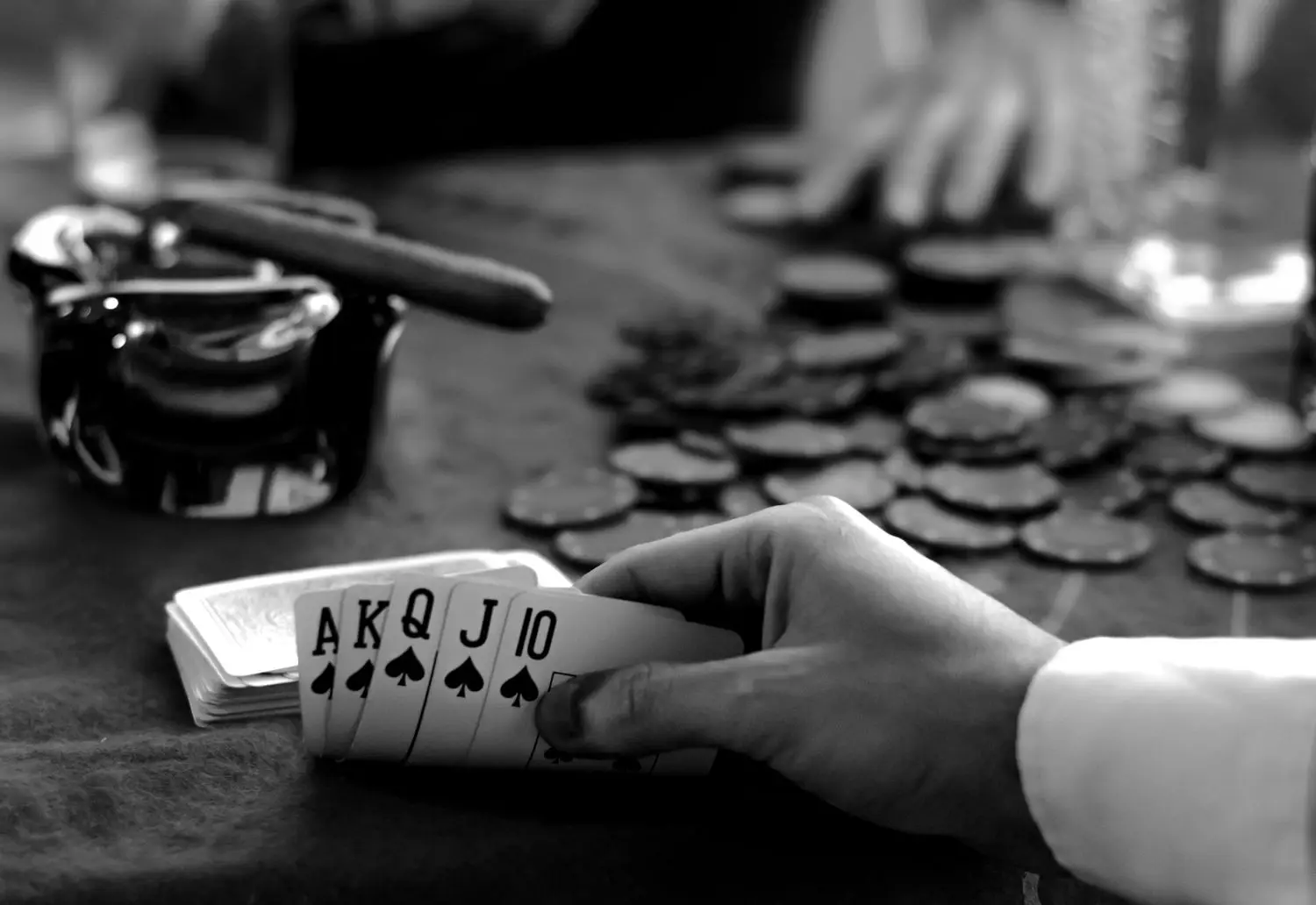
A vast rise-and-collapse narrative where meticulous systems are undone by pride, divided loyalties and public visibility.
Read review →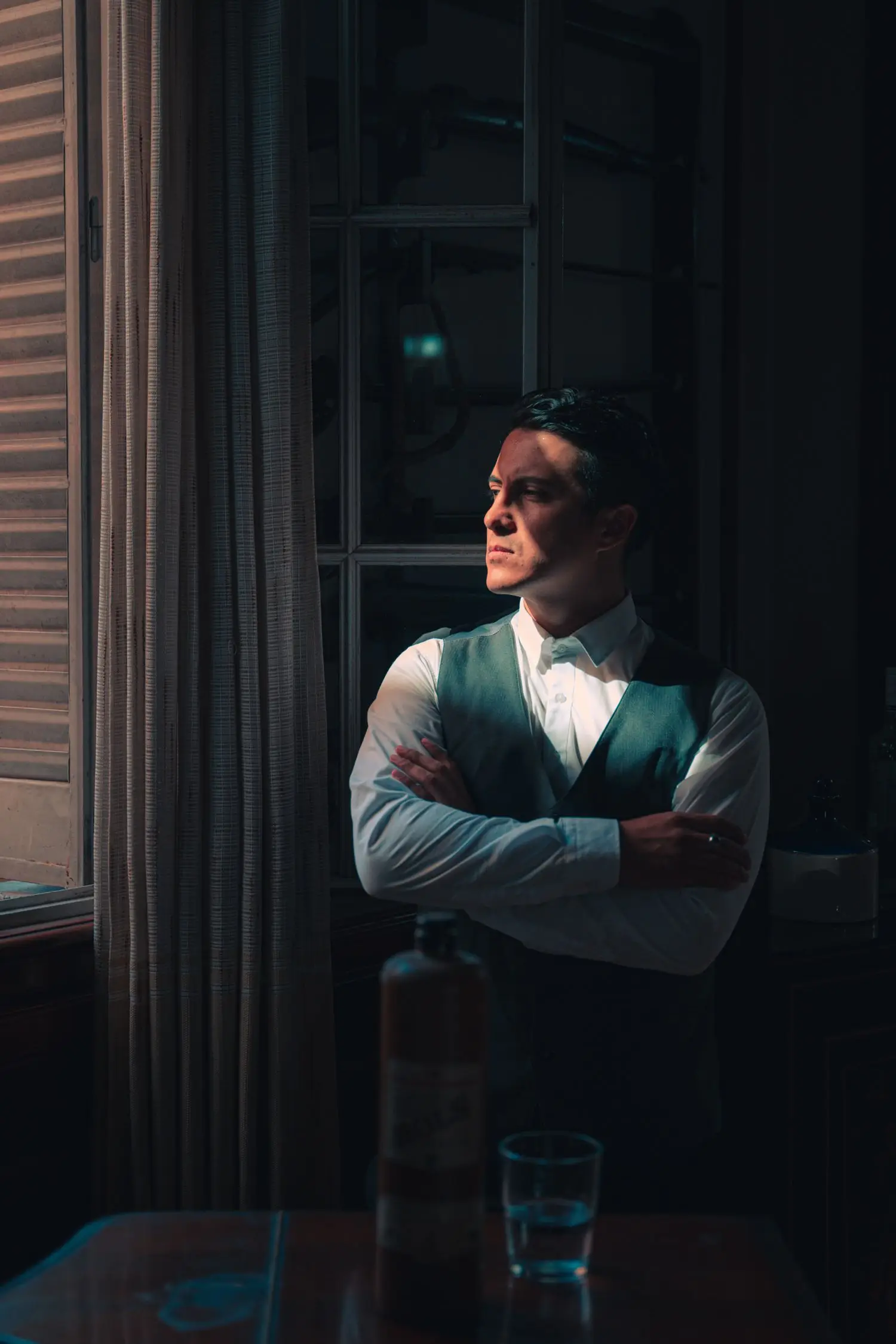
A compact study of talent, loyalty and self-knowledge, carried by table dialogue and finely observed behavioural detail.
Read review →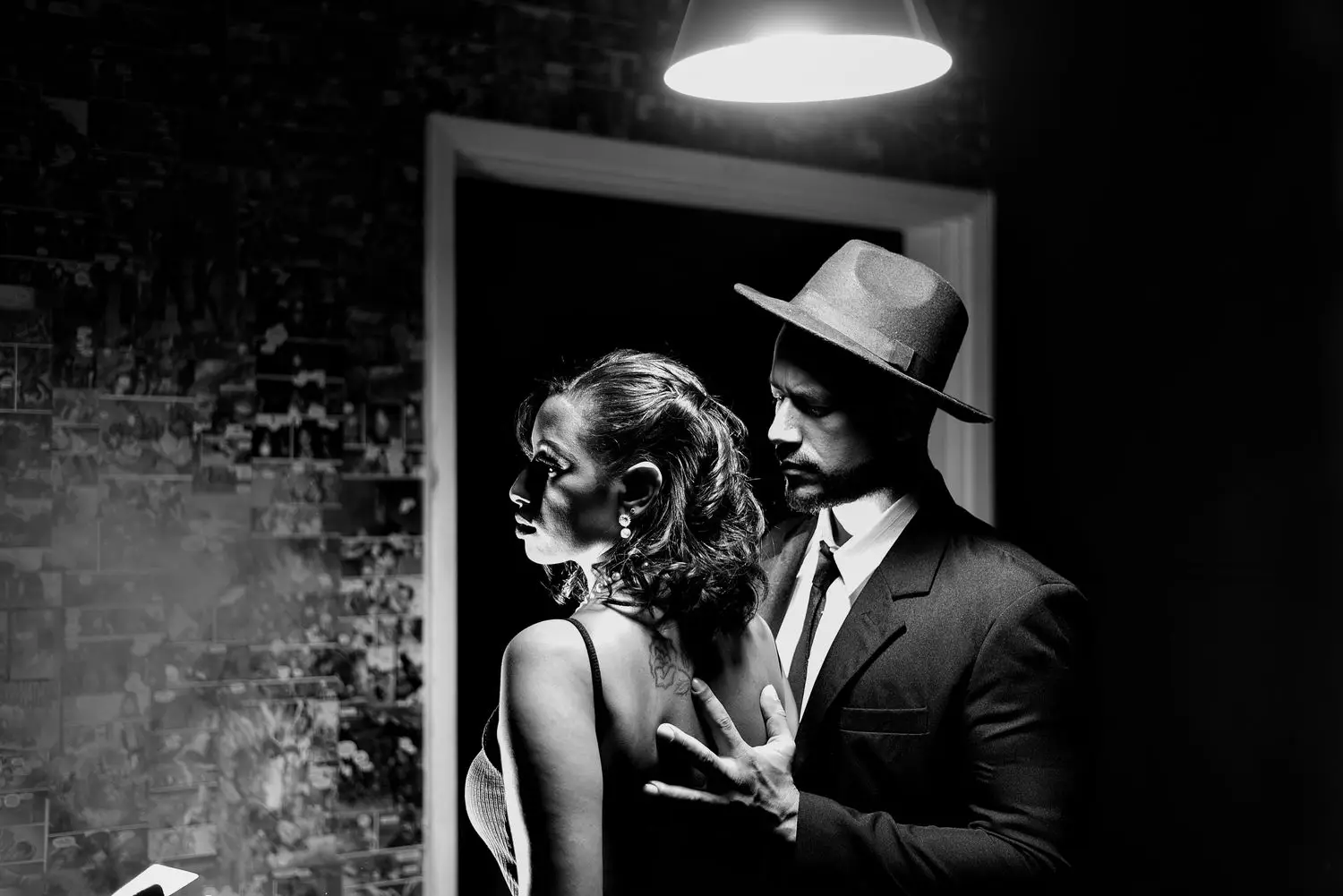
Precision editing, ensemble rhythm and spatial clarity turn an intricate theft into a relaxed piece of cinematic choreography.
Read review →
The tournament functions as an interrogation without a conventional interview: tells, patience and false confidence become the dialogue.
Read review →A director decides what the audience knows, when they know it and whose reaction matters most.
In the best table sequences, coverage is not neutral. A close-up can isolate a micro-expression; an overhead angle can reduce people to pieces in a system; a delayed reverse shot can withhold the exact response we are waiting for. Editing then converts those fragments into a contest of perception.
Watch how the shot order makes certainty feel provisional. The suspense lives between visible evidence and the meaning assigned to it.
Parallel action, rehearsed movement and withheld information turn planning into payoff without losing spatial orientation.
A tiny repeated gesture becomes story machinery once the audience learns to read it alongside the protagonist.
Wide compositions establish an organised machine while voice, inserts and surveillance angles reveal how that order is maintained.
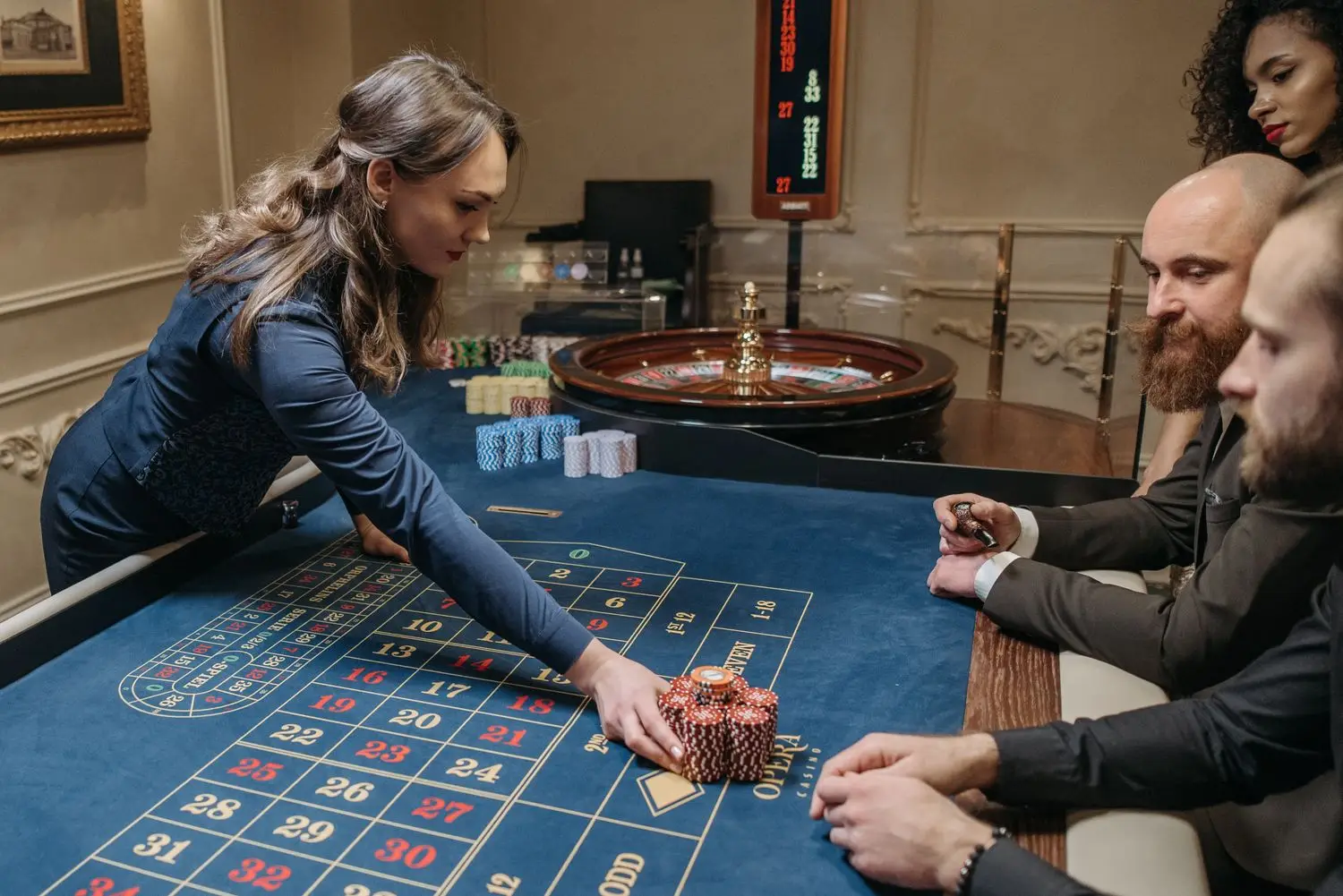
Recurring archetypes help the genre establish expectations quickly, then become interesting when a film complicates them.

A disciplined operator believes systems can contain people. A strategist trusts preparation. A grifter trusts performance. A wildcard trusts momentum. Strong films collide these operating philosophies so that plot turns emerge from character rather than coincidence.
Our profiles track motivation, performance choices, relationship dynamics, turning points and the visual motifs attached to each figure. The goal is not to label characters, but to understand how an archetype becomes a specific dramatic instrument.
Read Character ProfilesFive different routes into the genre, selected for film craft rather than for the activity depicted on screen.
For elegant long-con structure and controlled revelation.
For quiet character observation and moral ambiguity.
For verbal velocity, status shifts and first-person framing.
For relentless cross-pressure and subjective pacing.
For detached narration and the ethics of observation.
Short answers to the questions that frame our coverage.
We include films in which games of chance, gaming rooms, private tables, elaborate scores or high-risk decision systems materially shape the plot, character arc or visual language. A brief background scene is not enough.
Scores combine narrative craft, character depth, direction, visual and sound design, procedural clarity and cultural staying power. The number summarises the argument; it never replaces the written review.
No. Cinemavessacrown is an independent film criticism and media-analysis publication. The subject is cinema and storytelling, not participation in real-world gaming.
The publication is produced for readers in Aotearoa New Zealand while covering international cinema. Our emphasis is critical context, accessible film language and curated viewing paths rather than platform promotion.
Move from verdicts to character studies, act-by-act breakdowns and craft essays that connect performance, editing, production design and theme.
Browse Articles & Trivia