
Mike McDermott
His defining talent is observation, but the film’s real question is whether he can read himself with the same precision.

The most memorable high-stakes characters are not defined by confidence alone. They become compelling when their operating method collides with a flaw they cannot manage.
Each profile looks beyond plot function to gesture, rhythm, framing and the character’s relationship with control.
His defining talent is observation, but the film’s real question is whether he can read himself with the same precision.
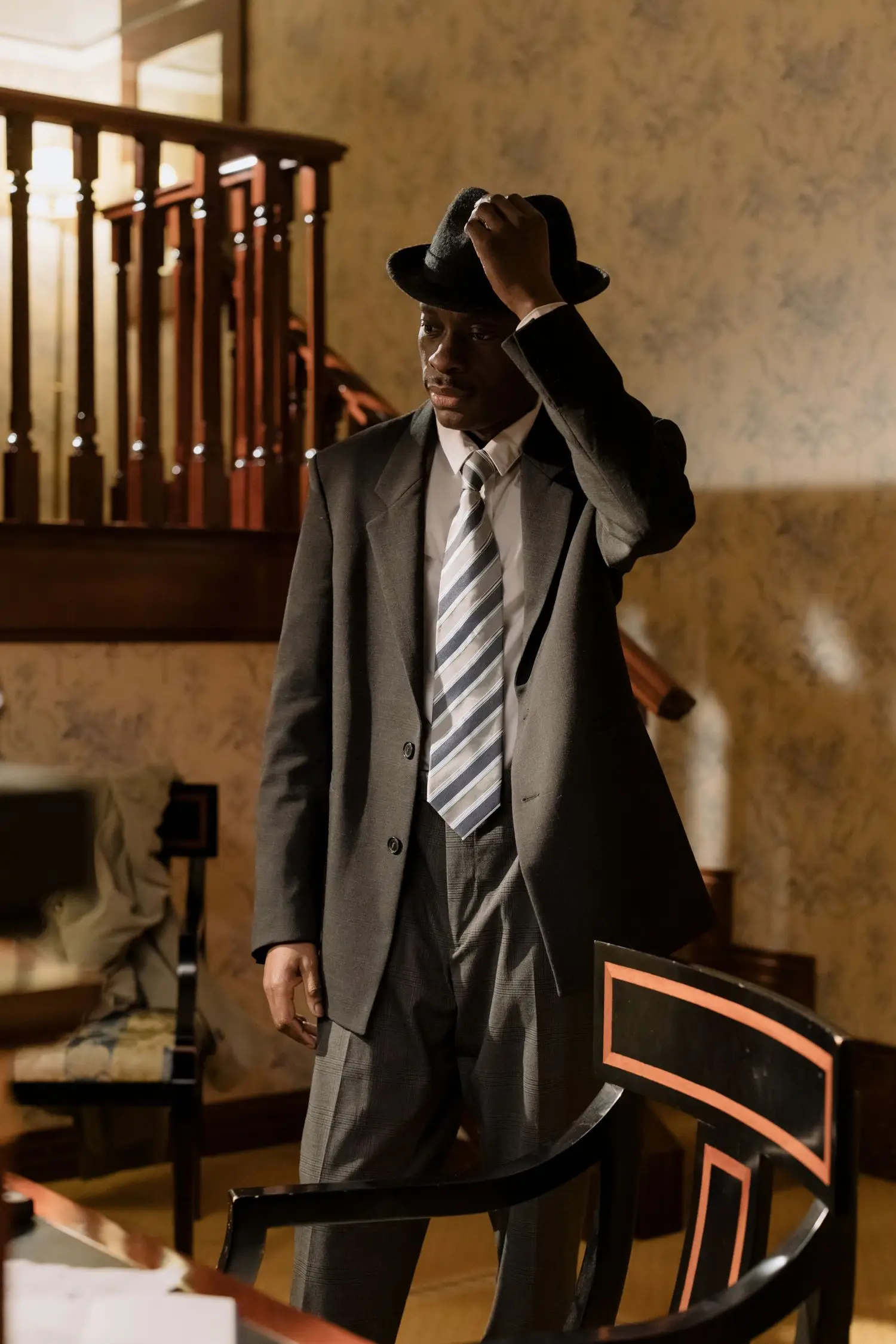
Charm is part of the plan. His apparent ease hides a leader constantly calibrating timing, loyalty and risk.

She turns access, rules and memory into authority, then discovers how fragile private systems become under outside scrutiny.
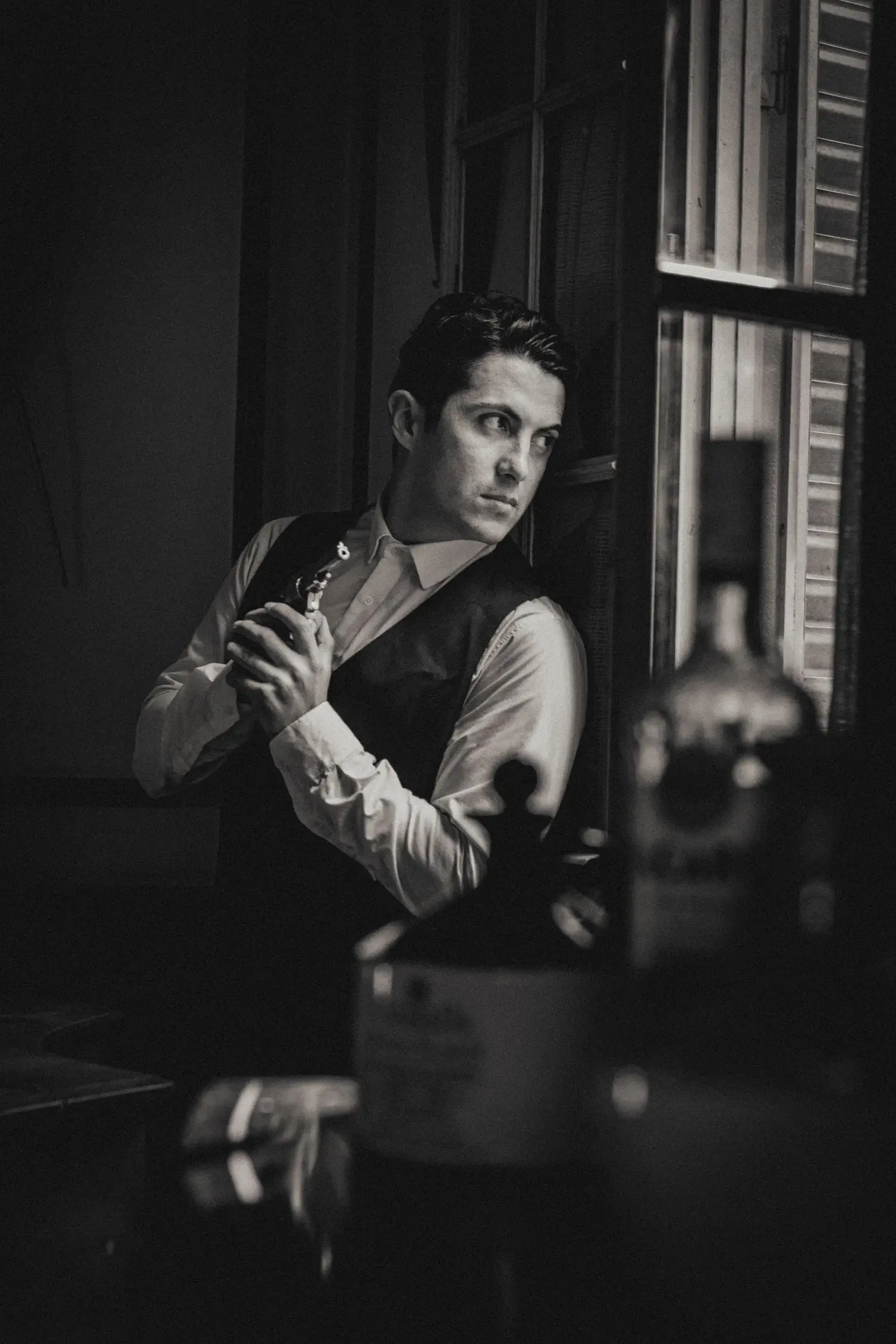
His composure is dramatic armour. Small breaks in that surface tell the audience more than a speech could.

He survives by controlling tone. Performance within performance becomes his principal narrative weapon.
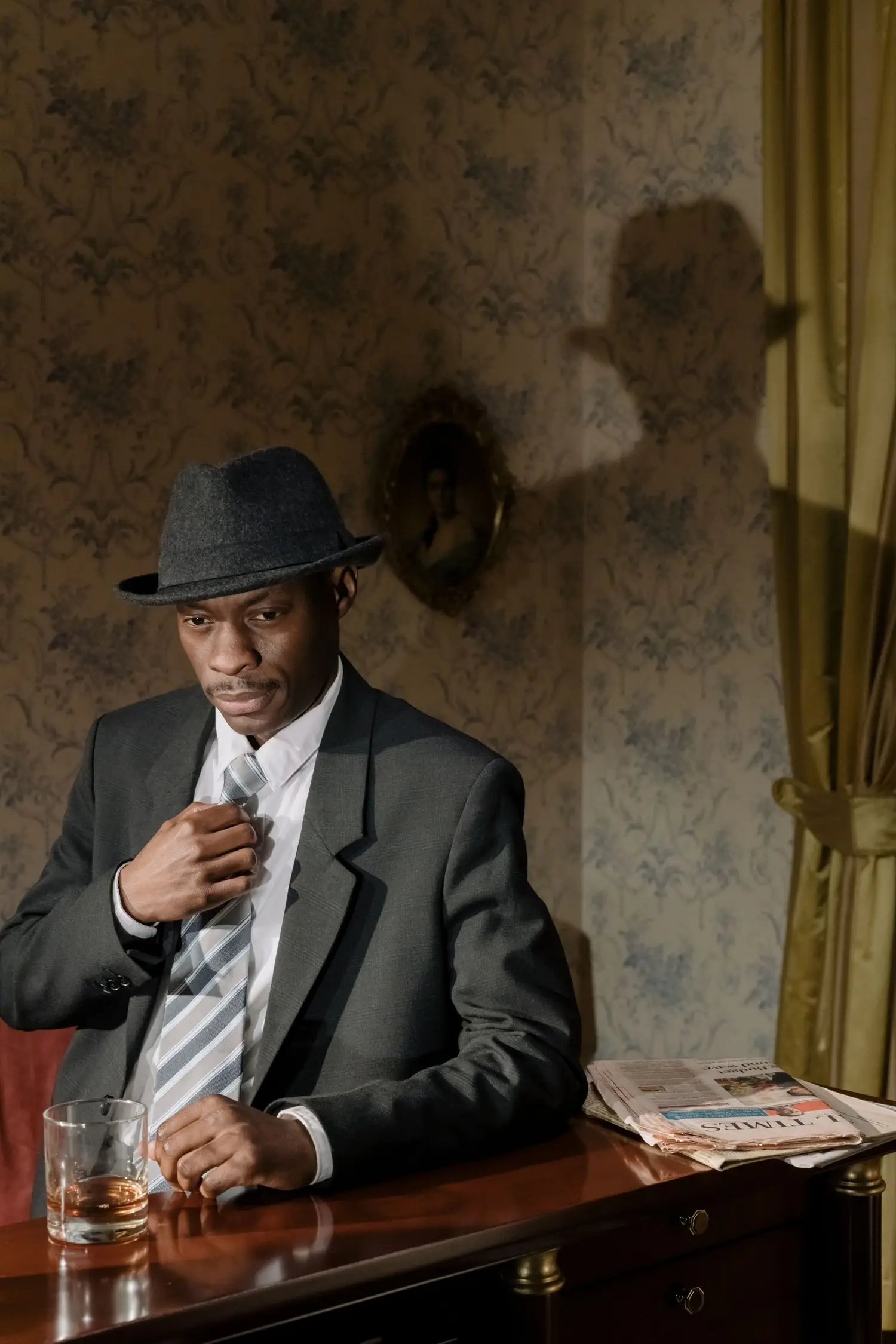
He solves immediate problems through force and creates larger ones through visibility, destabilising every system around him.
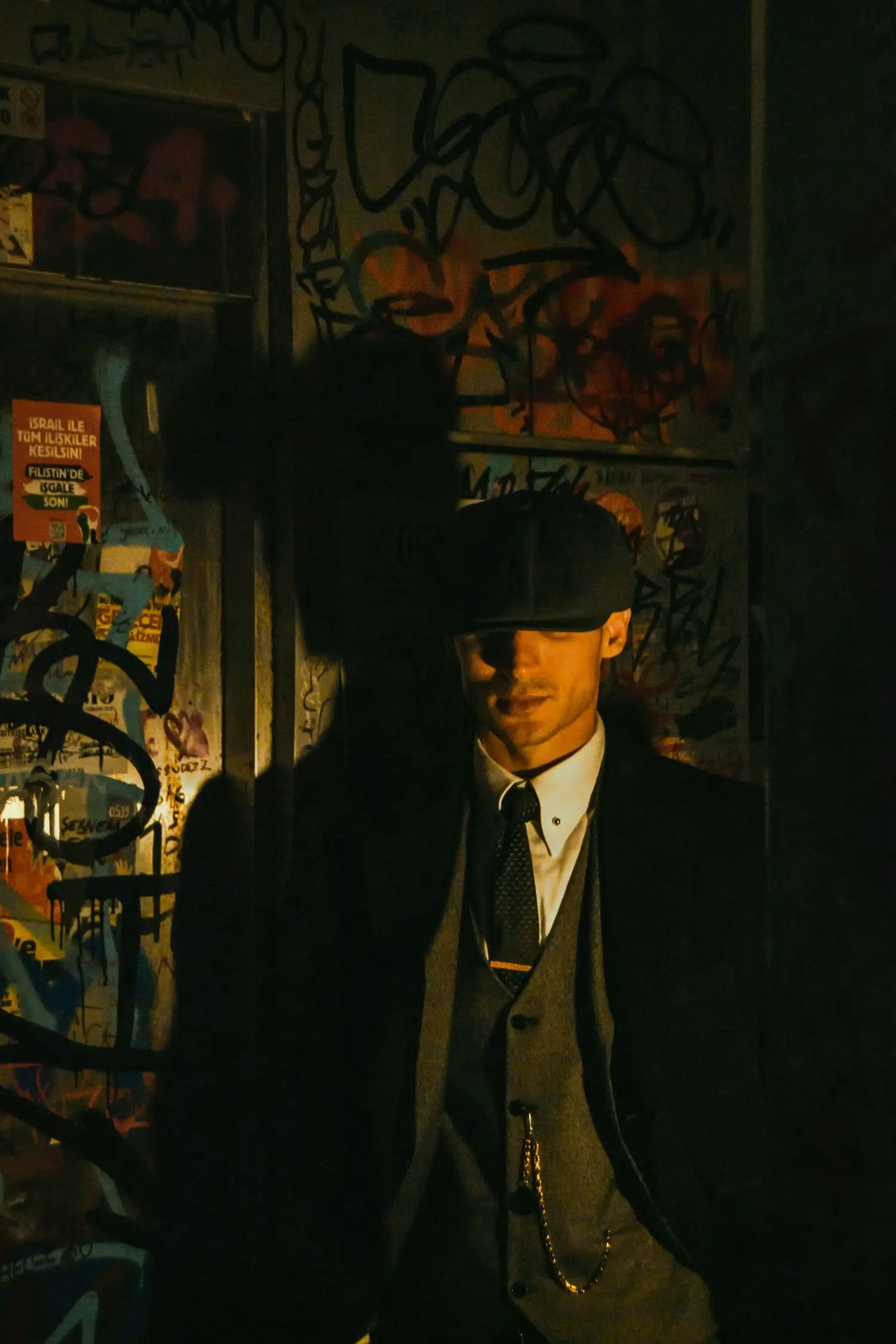
Ace is compelling because his strength and weakness are the same quality viewed at different scales.
He believes every variable can be tracked, graded and corrected. In professional spaces that method creates authority. In relationships it becomes rigidity. The performance is built on controlled speech, economical gesture and an almost administrative calm, which makes each loss of composure register sharply.
Visually, the character is often framed inside environments of lines, windows and monitoring systems. The design reinforces his desire to turn life into something inspectable. The tragedy is that the most consequential variables are people, and people do not remain inside a spreadsheet of expectations.
Follow the Narrative ArcArchetypes are useful starting points, not final judgments. The best characters become memorable by resisting the category that first explains them.
Plans several moves ahead and converts uncertainty into preparation. Dramatically vulnerable when improvisation or emotion enters the system.
Understands rules, access and institutional rhythm. Usually positioned between public order and private compromise.
Treats identity as performance. Tension comes from the gap between the role being played and the person beneath it.
Rejects calibration. Useful to writers because one impulsive choice can force every strategist in the story to reveal priorities.
High-stakes scenes reward detailed acting because attention is already focused on tiny changes in behaviour.
Handling cards, chips, notes or personal objects can establish routine. A change in that routine can then become a visible sign of pressure.
Who receives a glance, who is ignored and how quickly a character looks away can define hierarchy without explicit dialogue.
Some characters dominate by slowing a room down; others by forcing everyone to react. Speech rhythm is often as important as the words.
In a busy environment, stillness reads as control. Directors can weaponise contrast by placing a composed figure against restless movement.
Tailoring, colour and repetition can make a character look inseparable from an institution or visibly out of place within it.
The meaning of a “win” or “loss” is often located not in the event but in the face that receives it.
A profile becomes richer when it asks not only “who is this person?” but “what does this relationship force them to become?”
Knowledge passes between generations, but technique and values rarely transfer cleanly. The tension lies in what the younger character copies and what they reject.
One character needs predictability; the other generates volatility. Their scenes naturally convert personality into plot movement.
A protagonist who trusts interpretation becomes vulnerable when another person refuses to display familiar signals.
High-status environments demand performance. The most revealing scenes show the strain between a controlled exterior and incompatible private motives.