
Cards and chips on a cinematic table
Movie Trivia & Editorial Features

Behind the Felt

Essays on production design, camera language, screenwriting, performance detail and the way cinema transforms a rule-bound room into a dramatic universe.

Featured Writing

The secret is not the cards. It is the coverage.

A table scene can feel static on paper. On screen, camera position and edit rhythm decide whether it becomes suspense, comedy, intimidation or revelation.

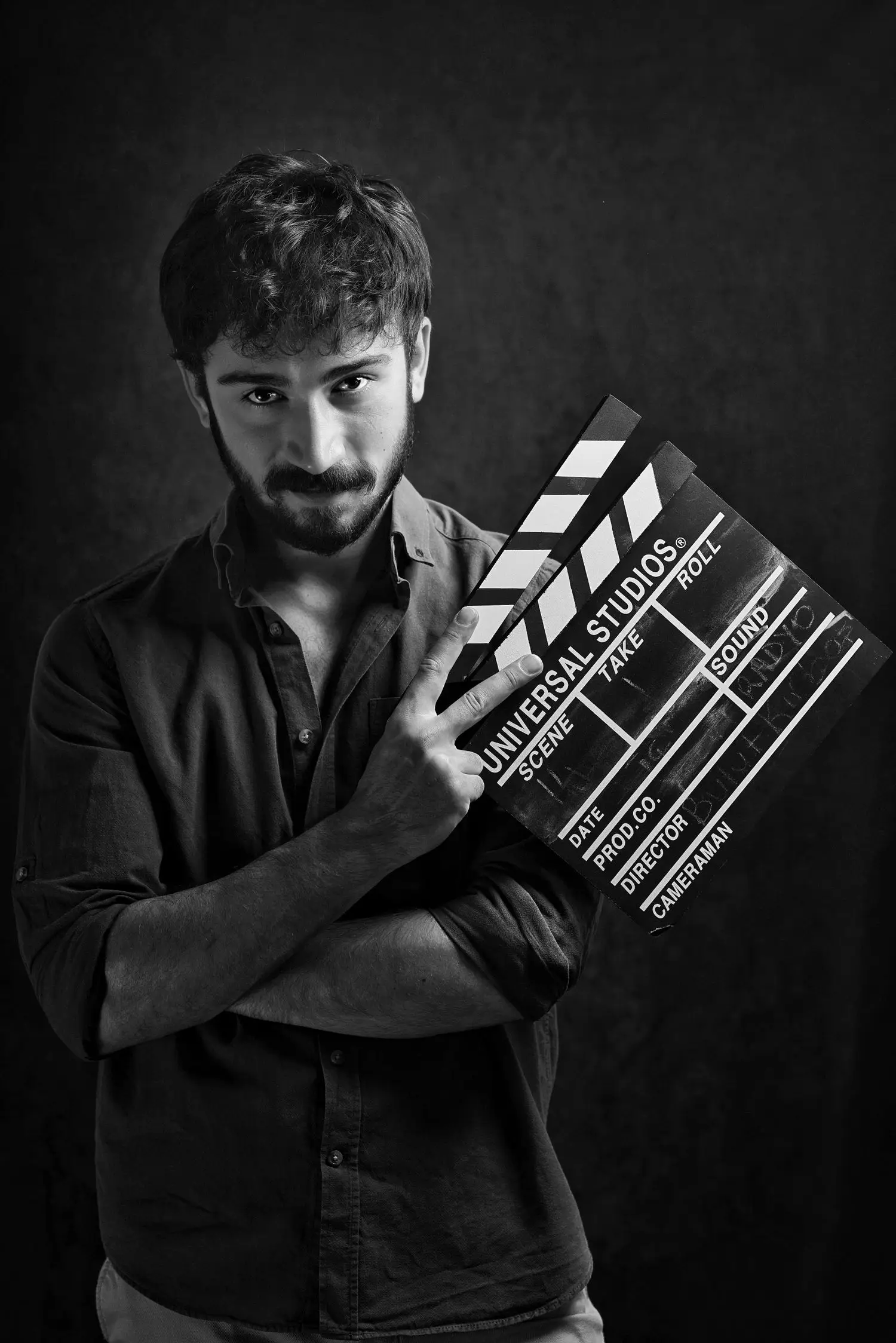
Filmmaker holding a clapperboard in a dark studio
Cinematography · 11 min

How directors film the unreadable face

Wide shots establish the rules of the room. Medium shots map relationships. Close-ups make the audience search for information, but a director must be careful: showing every reaction can destroy ambiguity. This essay traces how coverage can teach viewers where to look while still preserving uncertainty.

It also examines lens distance, eyelines, practical table light and the expressive difference between cutting on action and holding past the expected beat.
Production Design

Why casino interiors look bigger than they are

Mirrors, repeated lighting motifs, deep sightlines and controlled colour zones can make a set feel labyrinthine without confusing geography.

Screenwriting

Exposition without stopping the movie

The best scripts attach rules to conflict. We learn how a system works because a character needs something from it now.

Quick Trivia from the Table

Four craft observations worth noticing

These are film-language observations, not claims about how to play or win.

01

Props need continuity as much as actors do

In a table sequence, the position of cards, stacks and hands can change between angles. Continuity teams track those details so the viewer’s mental map survives the edit.

02

Sound can imply a larger room than the camera shows

Layered ambience, distant reactions and repeated mechanical textures create scale beyond the frame. When that bed suddenly thins, attention snaps toward a decisive moment.

03

A “tell” is also an editing device

Once a repeated gesture is established, editors can cut to it as shorthand. The audience feels the meaning before a character verbalises it.

04

Heist clarity depends on geography

A stylish montage only works if viewers can still answer basic questions: where is each team member, what is the objective and what changed when the plan went wrong?

Design Essay

The casino as a cinematic machine

Production design can make a room communicate status before any character speaks.

Low ceilings create compression; long sightlines imply surveillance; repeated patterning creates visual overload; secluded rooms reduce noise and make every gesture consequential. Colour can divide public spectacle from private negotiation, while thresholds—doors, ropes, corridors and elevators—turn access itself into narrative information.

The most convincing sets are not merely decorative. They tell us who belongs, who is being watched and how difficult it will be to leave with the same confidence a character brought in.

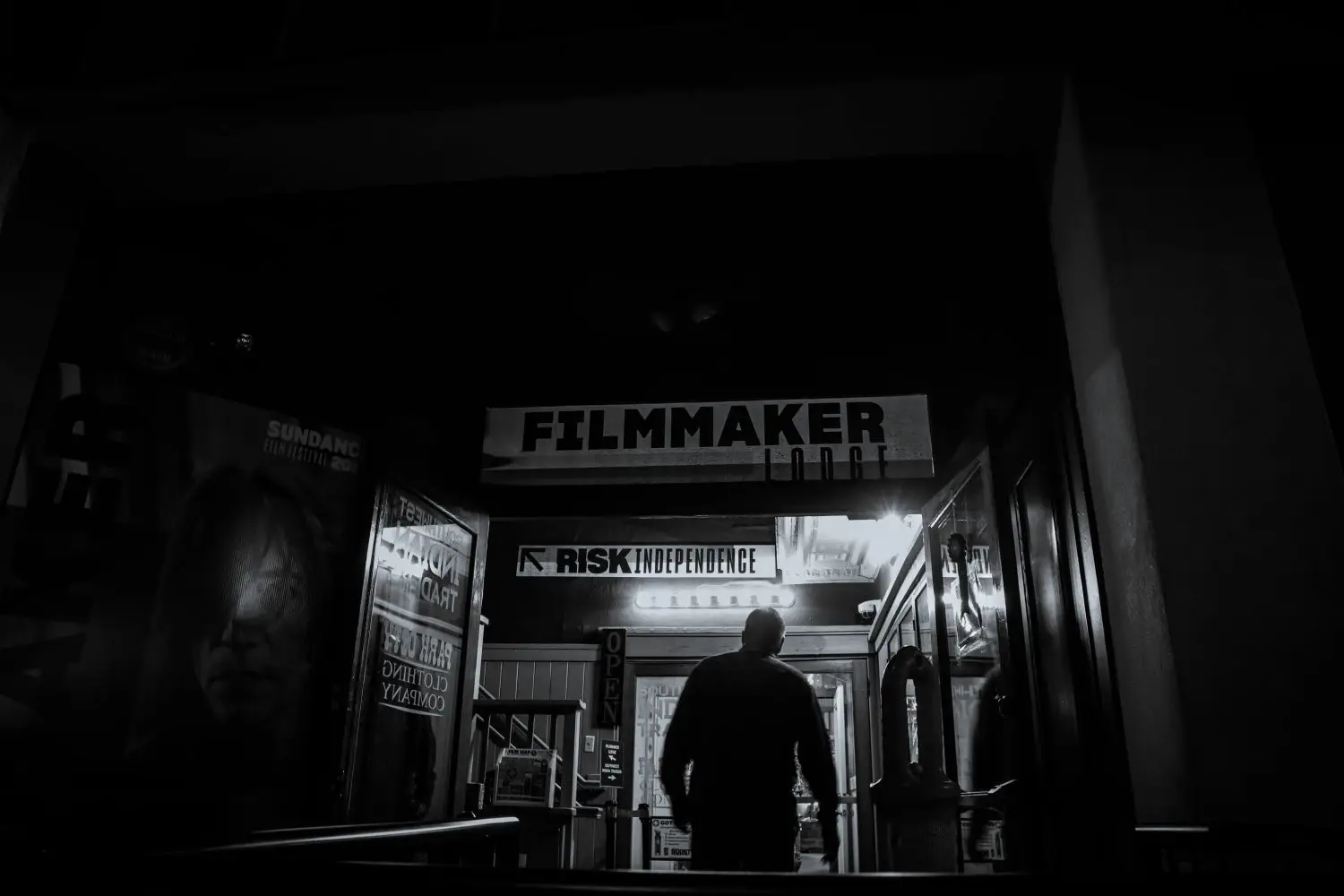
Dark cinema corridor with a filmmaker silhouette
Fact vs Fiction

Technical clarity without turning criticism into instruction

Accuracy matters because an audience needs to understand what a scene claims is possible. It does not require a step-by-step guide to reproducing the behaviour.

Rule clarity

Does the screenplay provide enough context for a viewer to understand the dramatic consequence of the next decision?

Time compression

Films routinely shorten repetitive processes. The critical question is whether compression distorts the story’s logic or simply protects pace.

Visual shorthand

Props, reaction shots and score can communicate probability or danger even when the underlying procedure is not explained in detail.

Genre History

From noir rooms to contemporary pressure cookers

High-stakes cinema changes with filmmaking fashion, but several concerns recur across decades.

Classic con structure

Older caper films often foreground the pleasure of construction: recruiting specialists, setting the trap, building a believable false world and saving a final layer of information for the reveal.

Institutional epics

Large-scale crime films use casinos to visualise systems of labour, money, surveillance and hierarchy. The room is a network before it is a location.

Subjective modern thrillers

Contemporary films often push closer to a single character’s perception, using handheld movement, overlapping dialogue and compressed time to make decision pressure bodily.

Character-led dramas

Smaller films strip away spectacle and focus on ritual, habit and conversation. The genre then becomes a framework for studying identity rather than scale.

Essential High-Stakes Cinema

A New Zealand reader’s watchlist by craft

Choose a film based on what you want to study, not simply by release year.

For editing

Ocean’s Eleven

Track how parallel action stays legible while information is strategically withheld.

For performance

Rounders

Watch how repeated behavioural detail becomes character exposition.

For production design

Casino

Notice how spaces communicate hierarchy, visibility and institutional control.

For pacing

Uncut Gems

Study how overlapping obligations create forward pressure even in dialogue-heavy scenes.